Operational planning
We identify affected areas, shutoff windows, access, staging, and occupancy constraints.
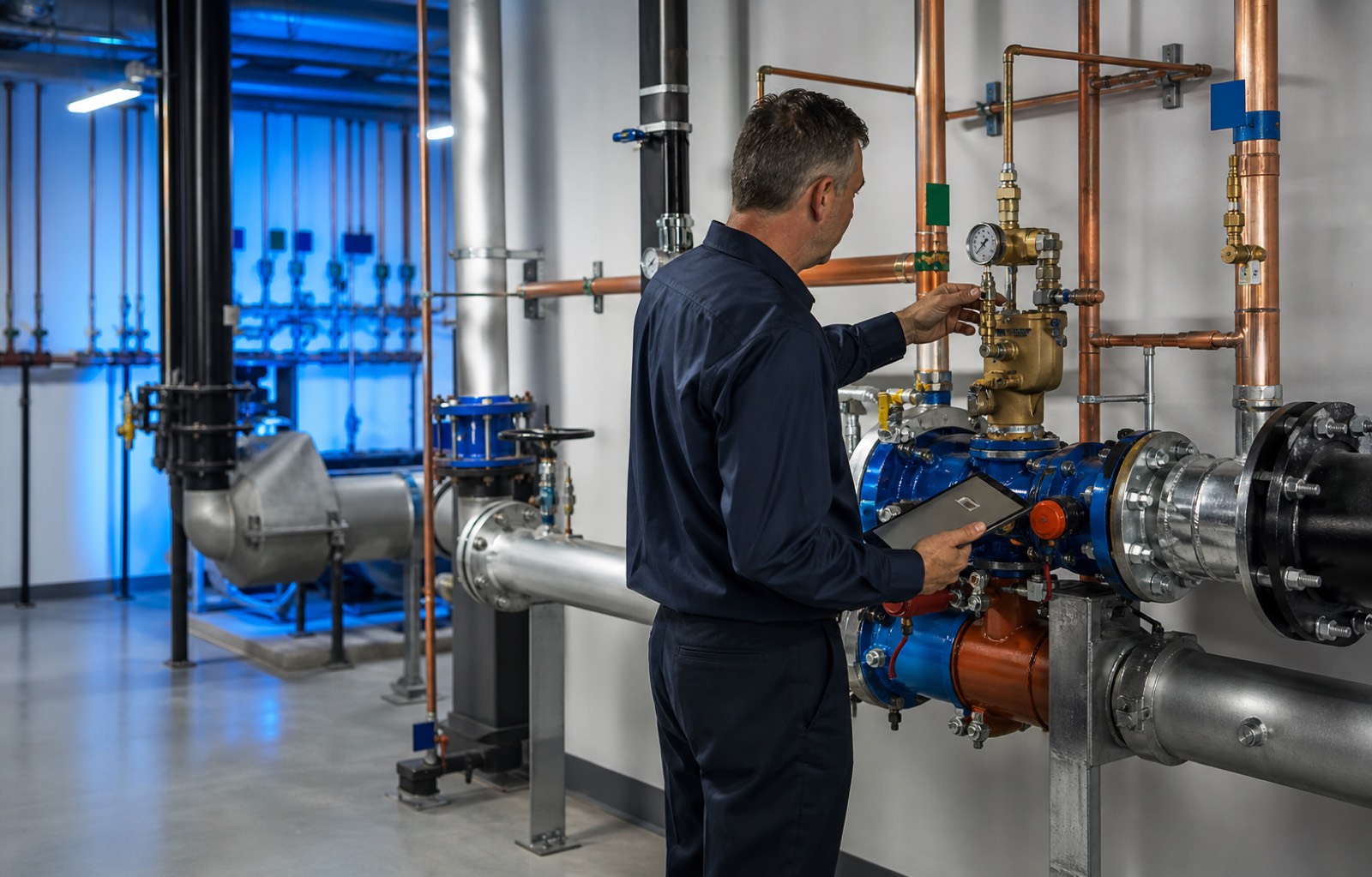
Commercial plumbing has to support the building and the people using it. We plan around access, shutoffs, occupants, inspections, phasing, and clear closeout.
A commercial plumbing project may affect tenants, customers, production, property management, and multiple trades. Useful planning starts with a defined system and work area, then documents shutdowns, sequencing, protection, testing, and communication.
Los Angeles-area commercial properties include retail, offices, restaurants, multifamily buildings, warehouses, and mixed-use sites. Hours of operation, shared systems, loading access, tenant notice, and inspection timing all affect the work plan.
We identify affected areas, shutoff windows, access, staging, and occupancy constraints.
Scope, changes, sequencing, and closeout information stay visible to the responsible contacts.
Repairs and installations are evaluated within the larger distribution and fixture system.
A visible issue can have more than one cause. The inspection and written scope connect the condition to the work being recommended.
Every property is different. The final proposal identifies the exact work areas, access, plumbing components, protection, testing, restoration boundaries, and exclusions.
Discuss My ProjectEach phase reduces uncertainty before the next one begins. Any condition that changes the approved scope should be explained before added work proceeds.
We review system conditions, plans, occupants, access, shutdown constraints, and stakeholder needs.
The proposal documents areas, materials, schedule assumptions, permits, testing, and exclusions.
Protection, staging, notices, shutoffs, and trade interfaces are managed by the agreed sequence.
The finished system is checked, punch-list items are addressed, and relevant information is turned over.
Material decisions depend on location, existing pipe, manufacturer requirements, code, pressure, access, exposure, and the approved scope.
These answers explain common decision points. Your written proposal controls the final project scope, price, schedule assumptions, and warranty.
Some scopes can be phased around operating hours. Access, noise, inspection windows, material cure time, security, and building rules need to be reviewed first.
Yes. Current drawings, specifications, submittals, site conditions, alternates, and exclusions should be reconciled into one clear plumbing scope.
The plan should identify the affected system, responsible contacts, notice period, isolation points, expected duration, contingency steps, and restoration checks.
RAMG Plumbing Inc. carries California C-36 Contractor License #1157653 and is fully insured. Specific documentation requirements can be reviewed during project setup.
Tell us what is happening, where the property is, and what you would like to accomplish. We will confirm the next step.