Compatibility first
We compare the product, rough-in, connections, mounting, and access before final installation.

A new fixture or line performs best when the rough-in, shutoffs, connectors, support, sealing, and testing are treated as one installation.
Installation work begins before the new product is unboxed. Existing rough-in dimensions, water pressure, drain alignment, mounting surface, code requirements, access, and manufacturer instructions can determine whether the planned fixture is compatible.
Remodeled Southern California properties may have nonstandard openings, older valves, mixed materials, or concealed changes from prior work. A compatibility check helps prevent delays and unplanned finish modifications.
We compare the product, rough-in, connections, mounting, and access before final installation.
Valves, supplies, traps, supports, seals, and transitions are included where specified.
Water flow, drainage, shutoffs, joints, and fixture function are checked before turnover.
A visible issue can have more than one cause. The inspection and written scope connect the condition to the work being recommended.
Every property is different. The final proposal identifies the exact work areas, access, plumbing components, protection, testing, restoration boundaries, and exclusions.
Discuss My ProjectEach phase reduces uncertainty before the next one begins. Any condition that changes the approved scope should be explained before added work proceeds.
We check the product, rough-in, shutoffs, drain path, access, and mounting conditions.
Water is isolated, the old fixture is removed if included, and approved adaptations are made.
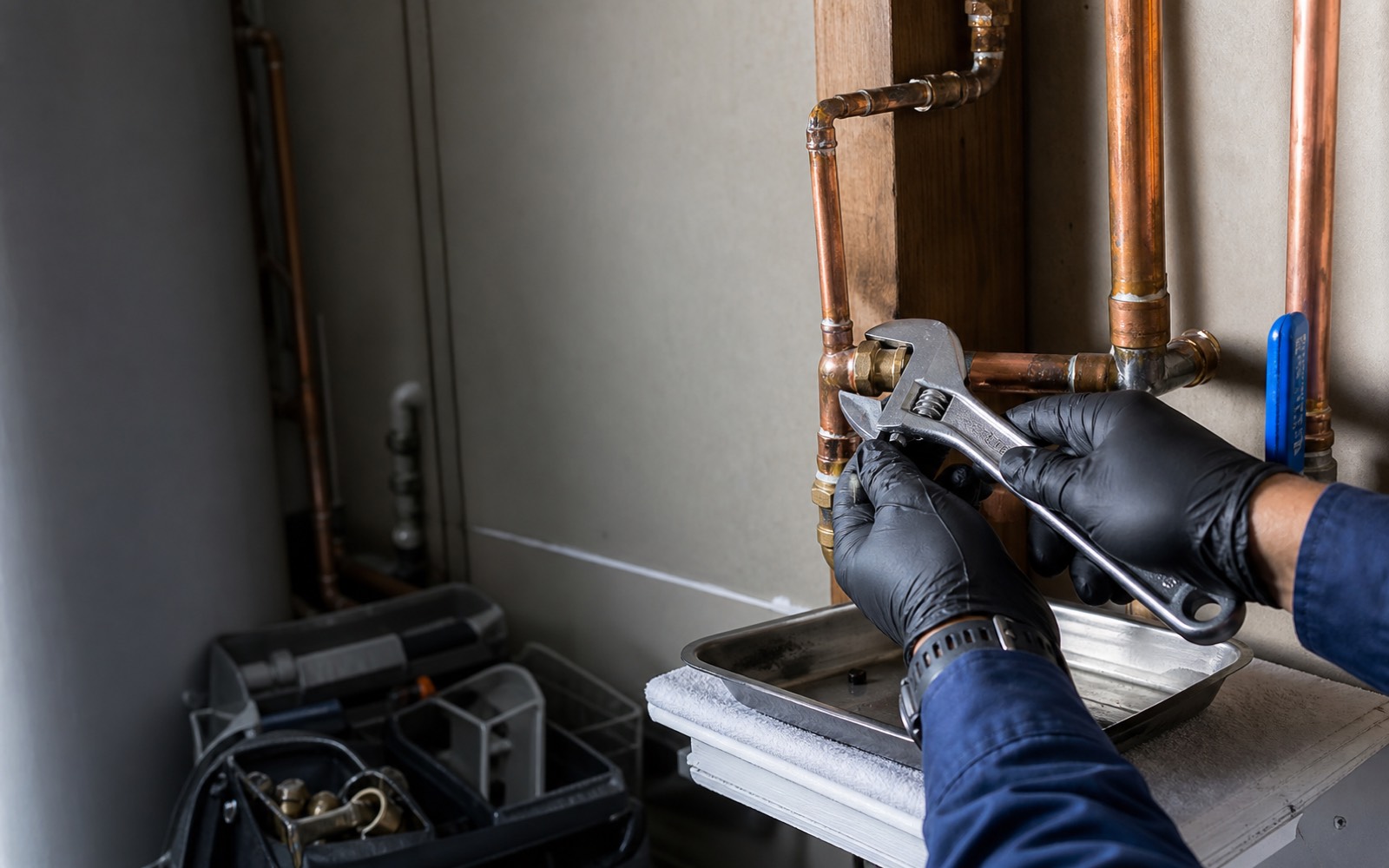
The fixture and connections are mounted, supported, sealed, and adjusted to the defined scope.
Flow, drainage, temperature, shutoffs, joints, and surrounding surfaces are checked.
Material decisions depend on location, existing pipe, manufacturer requirements, code, pressure, access, exposure, and the approved scope.
These answers explain common decision points. Your written proposal controls the final project scope, price, schedule assumptions, and warranty.
You can, but share the exact model and specifications first when possible. Rough-in dimensions, connection requirements, and included parts need to match the site.
Necessary adaptations are explained and added to the scope before that extra work proceeds. The goal is a complete installation, not a forced connection.
Removal and disposal can be included when identified in the proposal. Large, heavy, or special-disposal items should be discussed in advance.
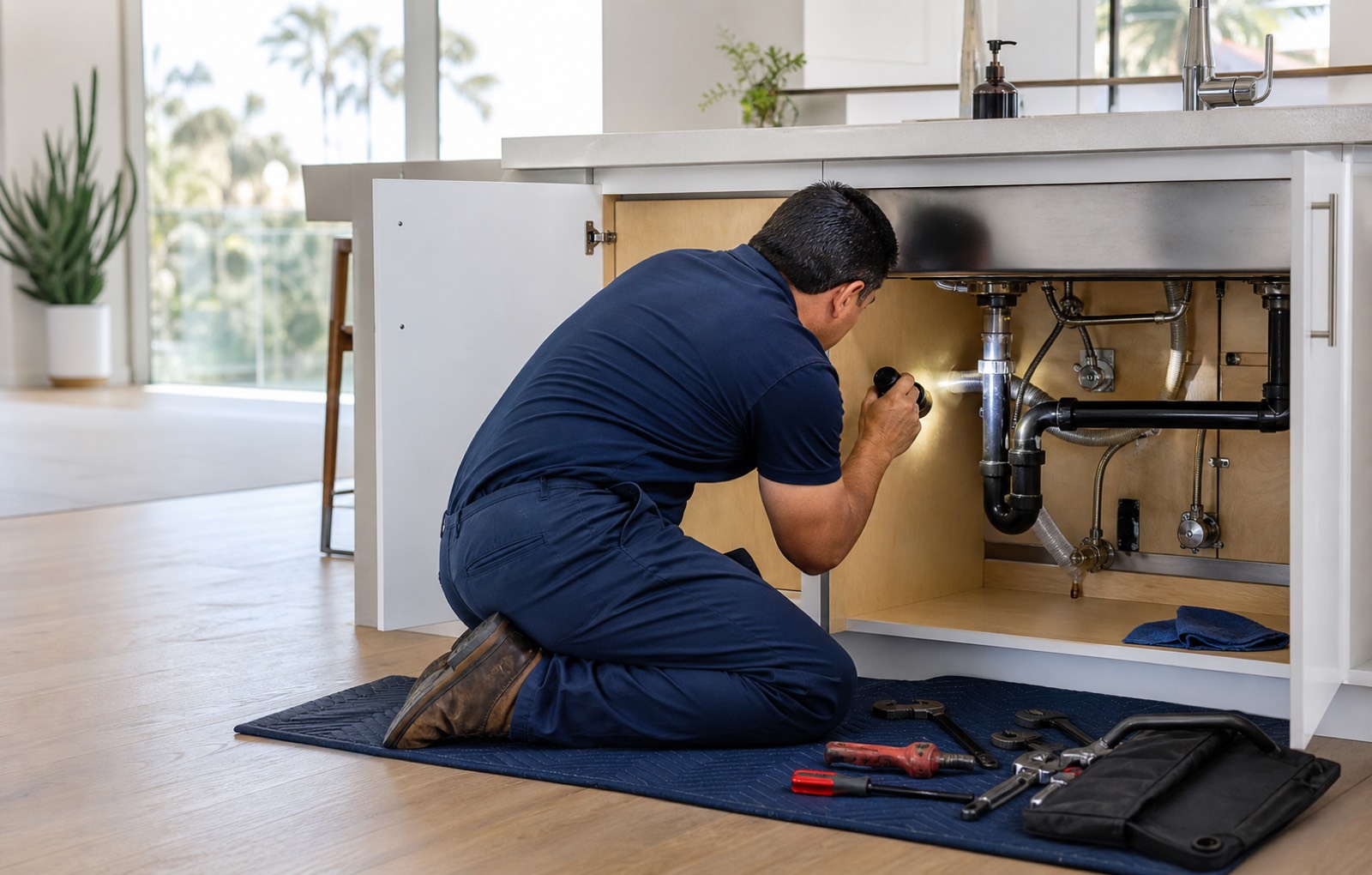
We operate the fixture, inspect supply and drain joints, confirm shutoff access, check mounting and alignment, and clean the immediate work area.
Tell us what is happening, where the property is, and what you would like to accomplish. We will confirm the next step.